

 Australian Dollar($)
 Danish Krone (kr)
 Euro (€)
 Japanese Yen (¥)
 Norwegian Kroner (Kr)
 Swedish Krona (kr)
 Great British Pound (£)
 US Dollar ($)
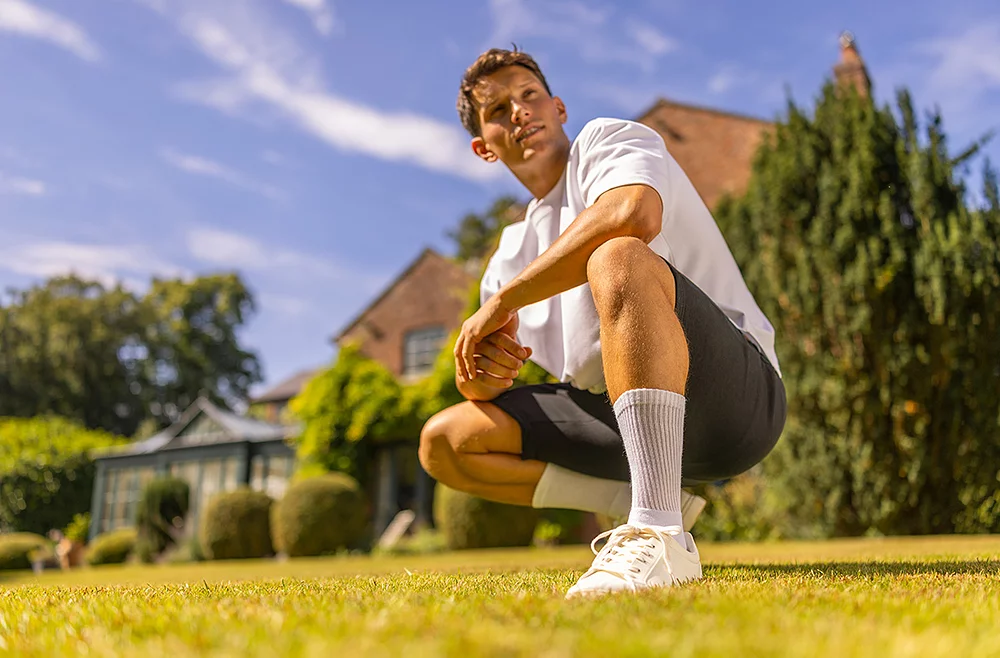
That clammy, damp sensation in your shoes. Unpleasant odours that often follow. It’s a feeling that many of us know all too well. Sweaty feet are incredibly common, affecting much of the population from time to time. The good news is that there’s plenty you can do about it – and it starts with your socks.
If you suffer from sweaty feet, we recommend choosing high-quality socks made from breathable materials, which help keep moisture under control and limit odour-causing bacteria. The result is that your feet will feel fresher, drier and more comfortable, even on the hottest days or when you’re powering through a tough workout.
What causes sweaty feet?
When your body temperature rises, the sweat glands in your feet work extra hard, sometimes producing more perspiration than you’d like. This can happen for all sorts of reasons, including hot weather, physical activity, stress or even genetics.
Teenagers and young people under the age of 25 are also more susceptible to sweaty feet because of the changes in hormone levels they experience at this stage of life.
Sweating itself isn’t the problem. Sweat glands are your body’s natural cooling system, helping to regulate body temperature. But the combination of socks and shoes can trap heat and moisture, making feet feel clammy. This warm, enclosed environment becomes a breeding ground for bacteria, which can lead to discomfort, foot odour, blisters and even fungal infections. The right socks can help break this cycle by helping to keep your feet fresh and dry.
Choosing socks: sweat-repelling features to look for
There are two main features to consider when choosing socks for sweaty feet – moisture-wicking materials and breathability.
Moisture-wicking materials
Socks made with moisture-wicking fabrics work by drawing moisture away from the skin, keeping feet dry and reducing irritation. When you pair them with the right shoes or boots, they allow the moisture to move through the sock and escape into the air around you so it can evaporate rather than linger inside your footwear.
Breathability
Breathable fabrics repel water and enhance air circulation around your feet. This allows moisture to evaporate and reduces the build-up of sweat. Socks with mesh panels and seamless toe construction can also enhance breathability.
Best materials for sweaty feet
The sock materials you choose can make a big difference to your foot hygiene.
Bamboo
Bamboo socks are popular for their silky-soft feel and planet-friendly credentials. But what you might not know is that they’re also naturally antibacterial, thermo-regulating and hypoallergenic, making them perfect feet protectors. Bamboo contains a naturally occurring antimicrobial substance called ‘bamboo kun’. This makes bamboo plants resistant to pests, meaning there’s no need for pesticides. It’s also what gives bamboo socks their antifungal and odour-resistant properties. Bamboo socks reign supreme for everyday wear and walking.
Performance synthetics
Traditionally, manmade fibres like polyester aren’t recognised for their moisture-wicking capabilities. However, textile technology has come a long way in recent years. CoolMax, Thor-Wick Cool and similar modern polyester blends are engineered specifically to manage moisture, drawing sweat away from the skin and drying quickly. These fabrics are lightweight, durable and accomplished at reducing odour build-up, making them a superb choice for exercising or long periods spent on your feet.
Merino wool
Although you might think wrapping your feet in wool is counter-productive when it comes to minimising sweat, not all wool is created equal. Merino wool is thinner and softer than regular wool, making it feel gentle against the skin instead of itchy. For this reason, it’s a triumph in socks for long work shifts and hikes. Not only does merino wool adjust well to temperature changes, but its naturally porous fibres do a brilliant job of wicking sweat away from your feet. Another of its standout qualities is that it resists odour better than cotton or standard synthetics.
More quick tips to keep sweaty feet under control
Even with the right socks, there are other steps you can take to manage sweaty feet:
- Change your socks daily to prevent bacterial build-up
- Choose shoes and trainers made from natural materials like leather or canvas that allow air to circulate
- Dry between your toes after bathing or showering as the skin there can be a breeding ground for bacteria
- Seek medical help if your feet sweat excessively or you notice any changes to the skin on your feet
FAQs
Which sports socks are best for sweaty feet?
For running, playing sports or any other type of workout, look for a sock made from performance synthetics like polyester and elastane blends. These draw sweat away from the skin so it can evaporate quicky. Choose thin, breathable designs with mesh ventilation zones and built-in anti-odour technology.
And if you’re loud and proud about how sweaty you get when working out, you could have a little fun with these Sweat Harder slogan socks.
Are 100% cotton socks good for sweaty feet?
Although cotton is one of the most breathable fabrics, it also retains heat and absorbs moisture rather than wicking it away. This can leave your feet feeling damp and smelly. So, if you're prone to sweaty feet, it's best to avoid 100% cotton socks. Bamboo can be an excellent alternative.
Are thicker socks better for sweaty feet?
Thick socks take longer to wick moisture away and are more likely to retain heat and sweat, so they’re generally not the best choice for sweaty feet. However, natural fabrics like merino wool and mohair are good at absorbing sweat. Thinner, lightweight socks with minimal padding help keep feet well-ventilated and reduce the risk of blisters.













Get involved and tell us what you think. Comments may be subject to moderation.